Garden care for Upper Richmond Road SW15 with local gardeners
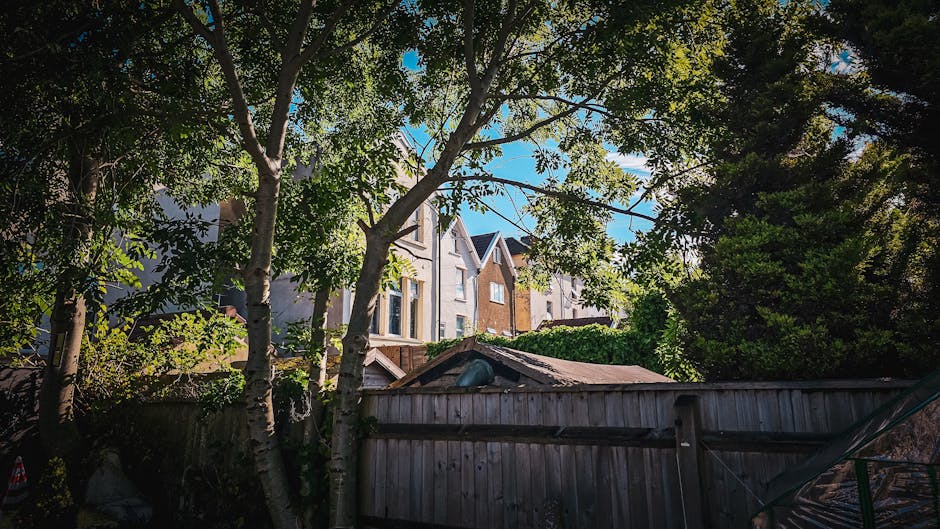
If you live or work along Upper Richmond Road SW15, you already know the gardens here have their own rhythm. Some are neat front plots that need regular clipping and mowing. Others are larger, tucked-away spaces that can look wild after a wet week, especially when the wind has had a go at them. Garden care for Upper Richmond Road SW15 with local gardeners is really about keeping those spaces healthy, tidy, and usable without turning every weekend into a battle with the hose, the shears, and a pile of green waste.
This guide explains what local garden care involves, how it works in practice, and how to choose the right help for your space. We will look at the jobs that matter most, what good service looks like, the common mistakes people make, and the small details that make a big difference over time. If you want a well-kept garden that feels calm rather than demanding, you are in the right place.
Why Garden care for Upper Richmond Road SW15 with local gardeners Matters
Garden care is not just about making things look tidy for a day or two. In a busy London setting, a garden has to cope with shade from neighbouring buildings, compacted soil, uneven rain, and the everyday wear that comes from people, pets, and weather. Along Upper Richmond Road SW15, where many homes and businesses want outdoor spaces that still feel private and pleasant, consistent care keeps small problems from becoming expensive ones.
Let's face it: a garden can go from "fine" to "why is everything suddenly knee-high?" surprisingly quickly. Growth is fastest in the wrong places. Borders spread, hedges thicken, lawns thin out, and weeds never seem to need an invitation. That is why local gardeners matter. They see the seasonal patterns, they understand common London garden conditions, and they can respond before the place gets away from you.
There is also a practical side that people sometimes overlook. Well-kept planting beds improve drainage and airflow. Regular hedge trimming can stop a boundary from feeling cramped or overgrown. A proper mow rhythm helps a lawn stay healthier rather than patchy. And if you have a garden that doubles as a family space, a quiet place to work, or a small patch of sanity in a busy week, maintenance becomes less of a chore and more of an investment in how you live.
For people comparing options, it often helps to think in terms of service layers. A one-off tidy-up is useful, but ongoing care usually brings the bigger long-term benefit. That is where garden maintenance becomes especially relevant, because it keeps the work regular and manageable instead of reactive and rushed.
Expert summary: The best garden care is rarely the flashiest. It is steady, seasonal, and local. Good gardeners notice what is changing, trim before problems spread, and leave the space healthier than they found it.
How Garden care for Upper Richmond Road SW15 with local gardeners Works
In practical terms, local garden care usually begins with a short assessment of what the space needs now and what it will need next. A good gardener looks at lawn condition, hedge growth, weed pressure, drainage, access, soil health, and any features that need gentler handling, such as decking, borders, or young trees. The point is not to do everything at once. The point is to decide what will make the biggest improvement safely and efficiently.
The work itself often falls into a few repeating categories:
- Regular maintenance: mowing, edging, light weeding, pruning, feeding, and tidying.
- Seasonal work: leaf clearance, cut-backs, mulching, planting refreshes, and pre-winter preparation.
- One-off recovery work: overgrown garden clearance, hedge reduction, border reset, or lawn rescue.
- Structural care: improving the shape and function of the garden through planting layouts, hard landscaping, or decking updates.
If the garden has become heavily cluttered, the first visit may focus on reducing the bulk before finer care begins. In those cases, garden clearance can be the right starting point because it creates a clean, workable base. That matters more than people think. A tidy surface changes the whole mood of a garden. You can actually see the shape again. Which helps.
Local gardeners also tend to work more responsively with the weather. A dry spell means lawns may need less frequent cutting but more careful attention to stress. A damp stretch can mean quicker growth, slippier paths, and more moss. A sudden warm week in spring? That is often when everything wakes up at once. The job is not simply to "do gardening"; it is to stay ahead of what the season is doing.
For some clients, the work is weekly or fortnightly. For others, it is a monthly visit plus seasonal visits as needed. The right rhythm depends on how visible the garden is, how much use it gets, and how much upkeep you are willing to handle yourself between visits.
Key Benefits and Practical Advantages
Good garden care brings a mix of visible and hidden benefits. The obvious one is appearance. A trimmed hedge, cut lawn, and weeded border make a property feel looked after. But the quieter benefits are often the ones people value most after a few months.
- Less stress: You do not have to keep catching up after growth has surged.
- Better plant health: Regular pruning and feeding can support stronger, more balanced growth.
- Improved safety: Clear paths and reduced trip hazards matter, especially in shaded or wet corners.
- More usable outdoor space: A garden that is maintained becomes a place you can actually enjoy, not just stare at through the window.
- Better long-term value: Consistent care reduces the chance of bigger repair or recovery jobs later.
There is also a softer benefit: your garden starts to feel intentional. A lot of outdoor spaces in SW15 are not huge, so every bit of order has an effect. A border that has been shaped properly makes a small garden feel bigger. A lawn edged cleanly feels sharper. Even a simple change, like removing dead growth or rebalancing a bed, can transform the whole feel of the place.
And yes, it is easier to host people when the garden is not quietly auditioning for a wildlife documentary.
If you are planning broader improvements, it can help to combine routine care with design-led work. Some gardens need more than maintenance; they need a more thoughtful layout, better surfaces, or smarter planting. In those cases, landscape gardening or landscaping may be more appropriate than maintenance alone.
Who This Is For and When It Makes Sense
Not every garden needs the same level of care. Some people want a very tidy, presentation-ready space. Others just want the essentials kept under control. Garden care for Upper Richmond Road SW15 with local gardeners makes sense for a wide range of people, but especially for the following situations.
- Busy households: If weekends are already full, regular support stops the garden becoming one more unfinished task.
- Landlords and letting agents: External presentation matters, especially when tenants come and go.
- Older homeowners: Heavy work, awkward lifting, and repetitive cutting can become less appealing over time.
- Garden owners recovering from neglect: If a space has been left for a while, local help can reset it without you having to start from scratch.
- People with outdoor entertaining spaces: A garden used for seating, dining, or family time benefits from regular attention.
- Anyone with boundary hedges or mature trees: These features need more than the occasional glance. They need a plan.
It also makes sense when you notice that small jobs are stacking up. The lawn needs a cut. The hedge is pushing out. Leaves are gathering. A few weeds have become a few dozen. That is often the sign that regular garden care would save time and frustration.
For gardens with substantial hedging, hedge trimming is often one of the most important recurring tasks. For lawns that are central to the look of the garden, lawn mowing is usually the backbone of the routine. And if trees are creating shade, dropped debris, or access issues, it may also be worth looking at tree lopping and removal where appropriate and safe.
Step-by-Step Guidance
If you are deciding how to improve your garden, it helps to break the job into stages. That way you can see what needs doing now and what can wait until the next visit. A sensible process usually looks like this.
- Walk the space slowly. Look at the garden from the house, from the gate, and from each side. Note what catches your eye first. It is usually the thing guests notice too.
- Separate urgent from cosmetic work. Dead branches, blocked access, and unstable growth come before aesthetic tidy-ups.
- Decide whether the garden needs a reset. If there is a lot of overgrowth or waste, a clearance first can make later maintenance much more effective.
- Set a realistic routine. Weekly, fortnightly, monthly, or seasonal. Not every garden needs the same schedule.
- Tackle the lawn, hedges, and beds in the right order. Usually, cutting and clearance come first, then edging, then detail work.
- Check drainage, shade, and soil condition. These are often the hidden reasons a garden keeps struggling in the same place.
- Review what is working after a few visits. A good plan should improve the garden, not just keep it from collapsing.
If the space includes decking or other hard features, care needs to be adapted. Wet leaves on timber, algae on shaded boards, and soil splash on edges can all make a garden feel scruffy fast. If that is part of your setup, you may want to think about decking services alongside plant and lawn care.
A small practical tip: if you can smell damp leaves or see moss forming at the edge of a path, you are already a bit behind. Not a disaster, just a nudge. Better to deal with it while it is still small.
Expert Tips for Better Results
Good garden care is often about timing and restraint. People sometimes assume that more cutting means better results. Not always. In fact, overcutting can weaken growth, expose bare soil, and create more work later. A better approach is to match the task to the plant, the weather, and the season.
1. Don't cut everything on the same day
Hedges, lawns, shrubs, and borders each respond differently. If you trim the lot in one go, you may miss what actually needs attention most. Start with the feature that shapes the space, then move into detailing.
2. Keep the garden honest about its scale
In smaller SW15 gardens, oversized shrubs can swallow light and space. A careful reduction or reshaping often improves the garden more than adding extra planting. That sounds obvious, but people forget it when they are tempted by another "nice little plant" from the garden centre.
3. Stay consistent with mowing height
For most lawns, a consistent cut pattern is healthier than chopping too much off at once. If the grass gets long, it is better to shorten it gradually over a couple of visits rather than shocking it into a scalped mess. Your lawn will thank you quietly, in its own grassy way.
4. Make waste removal part of the plan
One of the quickest ways for a tidy-up to feel unfinished is leaving bags of clippings and branches around. Good gardeners plan waste handling as part of the job, which keeps the garden usable straight away.
5. Think in layers, not one-off events
The best gardens are usually built through small, repeated improvements. Light maintenance, then seasonal adjustment, then a bigger reset only when needed. It is less dramatic, sure, but far more effective.
For a helpful overview of how services fit together, it can be worth browsing the services overview. That can help you see whether you need basic maintenance, a tidy-up, or a wider improvement plan.
Common Mistakes to Avoid
Some garden problems keep coming back because the same mistakes keep getting made. Nothing tragic. Just the kind of things that sneak up when life is busy and the weather is against you.
- Waiting too long between visits: Growth gets harder to manage, and the job becomes more expensive and time-consuming.
- Cutting hedges too hard: Not every hedge responds well to a heavy reduction. Some need a lighter, more thoughtful trim.
- Ignoring weeds until they seed: That is how a small issue becomes a recurring one.
- Leaving leaves and debris on lawns: This blocks light and air, and patches can appear surprisingly fast.
- Using the wrong method for the space: A formal front garden and a relaxed back garden do not need the same treatment.
- Assuming hard landscaping looks after itself: Paths, steps, and timber features need checking too.
Another common issue is over-focusing on appearance while ignoring structure. A garden can look fine for a week after a big tidy-up, then quickly decline because the underlying issues were never addressed. If the soil is poor, the shade is heavy, or the access is awkward, those things need acknowledging. Otherwise you keep fighting the same battle.
Truth be told, that is where local experience matters. A gardener who knows the area will usually spot the pattern sooner: where moss builds up, which side dries out, how wind affects pruning, and which corners always collect debris after rain.
Tools, Resources and Recommendations
You do not need a huge shed full of equipment to keep a garden in decent shape, but the right tools make the work cleaner and safer. Whether you are doing part of the upkeep yourself or simply want to understand what good professionals bring to the job, these are the basics that matter.
| Task | Useful tools | What to look for |
|---|---|---|
| Lawn care | Lawnmower, edging tool, rake | Clean cut, even finish, no torn grass |
| Hedge trimming | Hedge trimmer, secateurs, ladder where appropriate | Straight lines, controlled shaping, safe access |
| Garden clearance | Heavy-duty bags, shears, gloves, trolley or barrow | Fast removal, sensible sorting, tidy finish |
| Border maintenance | Hand fork, trowel, weeding tool, mulch | Fresh soil surface, healthy spacing, reduced weeds |
| Tree and branch work | Pruning saw, loppers, safety gear | Minimal damage, controlled cuts, proper waste handling |
For homeowners, a few simple items can make in-between care easier: a decent hose, gloves that actually fit, a hand fork, and something to collect light waste before it spreads. Not glamorous, but useful. If you have ever tried to clear a soggy pile of leaves with a flimsy supermarket bag, you already know why materials matter.
For businesses or landlords, a clear schedule and a consistent point of contact are often more valuable than fancy equipment. The real advantage is reliability. You know the garden will be seen, sorted, and left sensible after every visit.
Law, Compliance, Standards, or Best Practice
Garden care is usually straightforward, but there are still sensible standards to follow. If work involves ladders, power tools, heavy waste, or tree work, safety matters. Professionals should work in a way that reduces risk to people, property, and surrounding plants. That may sound obvious, yet a surprising amount of trouble starts when safety is treated as an afterthought.
In the UK, common best practice includes checking access before work begins, using equipment correctly, wearing suitable protective gear, and disposing of waste responsibly. If trees are involved, extra care is needed because larger work can be more hazardous than routine trimming. In some cases, permissions or additional checks may be relevant depending on the tree, the location, and the scale of the work. It is always wise to proceed carefully rather than assume.
It is also sensible to choose providers who are transparent about how they work. Clear terms, safe working practices, and sensible handling of customer information are all part of a trustworthy service. For more detail on company standards, you can review the health and safety policy, the insurance and safety information, and the recycling and sustainability approach. Those pages help set expectations about how work should be managed, especially where waste and safety are concerned.
Good practice is not about overcomplicating things. It is about doing the simple things properly, every time.
Options, Methods, or Comparison Table
One of the most useful decisions is choosing the right type of garden support. Some people only need the occasional tidy-up. Others need an ongoing relationship with a local gardener who knows the site well. Here is a simple comparison to help.
| Approach | Best for | Pros | Trade-offs |
|---|---|---|---|
| One-off tidy-up | Overgrown or neglected gardens needing a reset | Fast improvement, clear visible result | Does not prevent future buildup unless followed by maintenance |
| Regular maintenance | Homes that want consistent neatness | Predictable, efficient, usually less stressful long term | Requires ongoing scheduling |
| Seasonal visits | Gardens that change sharply with the seasons | Good balance of cost and control | May not suit high-growth spaces |
| Full landscaping upgrade | Gardens needing layout, structure, or surface changes | Can transform how the space functions | More planning involved, not just maintenance |
In reality, many gardens use a mix of these. A one-off reset may be followed by monthly maintenance. A seasonal trim may be combined with occasional clearance. A simple lawn and hedge routine might sit alongside more occasional planting work. The point is to match the method to the garden, not the other way round.
Case Study or Real-World Example
Here is a realistic example from the sort of work local gardeners often see. A property near Upper Richmond Road SW15 had a back garden that looked manageable from the kitchen window, but once outside, the situation was different. The lawn was patchy and long, one hedge had started to lean into the path, and the borders had filled with self-seeded growth. Nothing dramatic. Just enough to make the space feel tired.
The first visit focused on reducing the clutter. Waste was cleared, the hedge was reshaped, and the lawn was cut back carefully rather than aggressively. After that, the gardener could see the bones of the space again. That mattered. Once the structure was visible, the next steps became obvious: tidy the edges, improve the border definition, and set a lighter maintenance schedule so it did not slide back into the same state.
What made the difference was not a huge redesign. It was consistency. A slightly uneven patch was levelled in time. The hedge stopped making the path feel narrower. The garden started to feel like part of the home again instead of a task waiting at the bottom of the list.
That is the sort of transformation people often want, even if they do not say it that way. They do not necessarily want a show garden. They want a place that looks cared for, works properly, and does not demand all their spare time. Fair enough, really.
Practical Checklist
Before booking or scheduling garden care, use this checklist to make the process smoother.
- Walk the garden and note the areas that bother you most.
- Decide whether you need maintenance, clearance, or a broader improvement plan.
- Check for access issues, locked gates, narrow side passages, or fragile surfaces.
- Identify any tree, hedge, or boundary concerns that may need extra care.
- Set a preferred visit frequency if you want ongoing support.
- Clear away personal items, toys, tools, and furniture that could slow the work.
- Ask how waste will be collected and removed.
- Discuss the finish you want: neat, natural, formal, low-maintenance, or somewhere in between.
- Review safety expectations if ladders, power tools, or higher work are involved.
- Keep a few before-and-after notes so you can see what is improving.
Quick takeaway: the best results come from combining a realistic schedule, a clear brief, and a gardener who understands local conditions. Simple, yes. But it works.
If you want to compare services, pricing, or the best fit for your garden, start by reading pricing and quotes and learn more about the team behind the service. If you are ready to talk through the details, get in touch here.
Get a free quote today and see how much you can save.
Conclusion
Garden care for Upper Richmond Road SW15 with local gardeners is about more than keeping things tidy. It is about protecting the health of the space, making outdoor areas more usable, and stopping small jobs from turning into bigger ones. A well-cared-for garden changes how a property feels, and sometimes how a week feels too. You open the door, look out, and the place breathes a little easier.
The real value of local garden care is consistency. With the right approach, you do not have to keep starting over. You build on what is already there, season by season, and the garden becomes easier to live with. That is the whole point, in the end. A garden should support your home, not keep you trapped in endless catch-up mode.
And when it is done properly, even a modest patch of green can feel quietly restorative on a busy London evening.
Frequently Asked Questions
What does garden care usually include for homes on Upper Richmond Road SW15?
It usually includes lawn mowing, hedge trimming, weeding, border tidying, pruning, leaf clearance, and general seasonal maintenance. Some gardens also need clearance or light landscaping work.
How often should a garden be maintained?
That depends on growth rate, garden size, and how tidy you want it to look. Many gardens benefit from fortnightly or monthly attention, with extra seasonal visits in spring and autumn.
Is a one-off tidy-up enough?
Sometimes it is, especially if the garden only needs a reset. But if growth is fast or the space is used often, ongoing maintenance is usually the better long-term choice.
What is the difference between garden maintenance and garden clearance?
Garden maintenance keeps an already-managed space in good condition. Garden clearance deals with overgrowth, heavy waste, clutter, or neglected areas that need a major reset first.
Can local gardeners help with small gardens as well as larger ones?
Yes. Smaller gardens often need just as much skill, because there is less room for error. A well-trimmed small garden can feel much bigger and calmer.
Do I need landscaping or just maintenance?
If the layout works but the garden just needs tidying, maintenance is probably enough. If the space feels awkward, poorly arranged, or hard to use, landscaping may be a better fit.
What should I ask before booking a gardener?
Ask what is included, how waste is handled, whether they can manage hedges or trees, what access they need, and how they approach safety. Clear expectations save a lot of back-and-forth later.
Can gardeners help with hedge trimming and lawn care in the same visit?
Yes, and that is often the most efficient way to manage a garden. Combining jobs helps create a finished result rather than doing things in bits and pieces.
What if my garden has decking or hard surfaces?
Then care needs to include the surrounding surfaces too. Leaves, moss, and soil can make decking or paths look neglected very quickly, so it is worth treating them as part of the whole space.
How do I know if a gardener is working safely?
Look for sensible preparation, clear communication, appropriate tools, and a cautious approach to higher or heavier work. A trustworthy gardener will not rush safety just to get the job done faster.
Is regular garden care worth it for rental properties?
Usually, yes. A neat garden supports first impressions and helps the whole property feel looked after. It can also reduce the size of future repair or recovery jobs.
What is the best first step if my garden has got out of hand?
Start with a simple assessment: what is urgent, what is cosmetic, and what can wait. If there is a lot of build-up, a clearance visit followed by maintenance is often the cleanest way forward.