Shield Your Outdoor Oasis with Expert Picks for Tall-Potted Privacy Plants
Shield Your Outdoor Oasis with Expert Picks for Tall-Potted Privacy Plants -- because sometimes you want birdsong, breeze and morning coffee without feeling like you are on display. If you have a balcony in Brighton, a tiny terrace in London, or a family garden in Leeds, tall-container plants can create instant, living privacy that looks good year-round. And to be fair, nothing softens a fence line or a glass balustrade quite like well-chosen greenery that sways a little in the wind.
In this comprehensive, experience-led guide, we combine horticultural best practice, UK-specific regulations and materials, and the kind of no-nonsense advice you usually get from a seasoned landscaper on a brisk site visit. You will find expert plant picks for pots, step-by-step planting and care, pitfalls to dodge, and a real-world example to show numbers, not just words. The aim is simple: help you design, plant, and maintain a tall-potted privacy screen that truly shields your outdoor oasis.
Table of Contents
- Why This Topic Matters
- Key Benefits
- Step-by-Step Guidance
- Expert Tips
- Common Mistakes to Avoid
- Case Study or Real-World Example
- Tools, Resources & Recommendations
- Law, Compliance or Industry Standards (UK-focused)
- Checklist
- Conclusion with CTA
- FAQ
Why This Topic Matters
Your outdoor space is your micro-sanctuary. Yet urban living, modern developments with roof terraces, and tight-knit neighbourhoods mean a lot of us feel overlooked. Curtains help indoors; outside, you need height you can move, shape, and soften. That is where tall-potted privacy plants shine. They screen, buffer noise, and bring life. Shield Your Outdoor Oasis with Expert Picks for Tall-Potted Privacy Plants and you will create privacy that is natural, flexible, and beautiful.
There is also a mental health side to this. Research consistently shows that greener spaces reduce stress and improve mood. In our experience, clients often say they sleep better once the patio feels secluded. You will notice it too the first time you step out with a cuppa at 7am, hear only distant traffic, and see lush leaves instead of a neighbour's window. Clean, clear, calm. That is the goal.
One small moment: it was raining hard outside that day when we finished a tall planter line on a London balcony. The client messaged a picture at dusk: beaded raindrops on broad laurel leaves, the city faint behind. It was a different space. Warmer somehow.
Key Benefits
- Instant visual privacy: Mature container plants can screen views the moment they arrive. No waiting for years like you would with a hedge in the ground.
- Flexibility: Move planters to reshape spaces, widen walkways, or frame dining areas as you wish. Parties one weekend, quiet reading nook the next.
- Acoustic softening: Foliage breaks up sound reflections; tall grasses and bamboo add a gentle rustle that masks background noise.
- Seasonal interest: Mix evergreen structure with flowering climbers or grasses for movement, scent and colour. Think jasmine in June, glossy fig leaves in August.
- Lower regulatory friction: Containers typically avoid planning issues tied to permanent structures, though height limits and high hedges rules still matter (we will cover UK law shortly).
- Healthier microclimate: Plants trap particulates, moderate wind, and provide shade. On hot terraces, that cool, shaded corner feels like a tiny holiday.
- Wildlife support: Nectar-rich climbers and berrying shrubs support bees and birds, even on compact balconies.
Truth be told, container privacy is one of the fastest ways to make an outdoor space feel finished. And yes, it can look properly high-end.
Step-by-Step Guidance
Let's build your living screen the right way. We will cover site assessment, planter sizing, soil, irrigation, and the expert plant picks that consistently deliver height and density in pots across UK conditions.
1) Assess your site
- Sun and shade: Track sun for a full day. Full sun (6+ hours), partial (3-6), or shade (less than 3). South and west aspects can be fierce; north-facing balconies may be cool, bright shade.
- Wind exposure: Upper-storey balconies can be brutally windy. Choose wind-tolerant species and heavy, stable planters. Add discreet windbreak mesh if needed.
- Access and weight: Measure door widths, lifts, and stairs. On balconies and roof terraces, check structural load capacity with your building manager or a structural engineer if in doubt. Typical UK balconies are designed for uniform loads (often around 2.5-4.0 kN/m?), but your exact rating matters. Safety first.
- Water source: A nearby tap or micro-drip line saves hours during summer. No tap? Consider self-watering planters and a refill routine.
2) Choose planters
- Size: For tall-potted privacy plants, aim for at least 40-60 cm diameter and 40-60 cm depth per plant. For screening lines, troughs 80-120 cm long by 40-50 cm deep give roots room and stability. Larger volumes buffer against drought and cold.
- Material: Lightweight fibreclay, GRP, or high-quality plastic resists frost and keeps weight down. Timber planters look warm but line them with pond liner and ensure drainage holes.
- Drainage: Essential. Elevate pots slightly with feet to stop waterlogging. Add 2-3 cm of coarse drainage material only if the pot's holes are prone to clogging; otherwise, well-structured compost suffices.
- Mobility: Add lockable castors or a dolly under large troughs. Your back will thank you later.
3) Soil mix and feeding
- Growing medium: A premium peat-free container mix with a high proportion of composted bark for structure, plus 10-20% coarse perlite for aeration. For bamboos and grasses, add 10% loam for stability.
- Nutrition: Slow-release fertiliser (balanced NPK) in spring; liquid feed every 2-3 weeks during peak growth for hungry species like bamboo and photinia.
- Moisture management: Mix in water-retaining granules for south-facing sites. Do not overdo it; you want damp, not sodden, media.
4) Watering and irrigation
- Manual watering: Deep, infrequent watering beats frequent splashes. Water until excess runs from the base.
- Automated drip: A simple micro-drip kit with pressure reducer, 4-6 L/h drippers per large pot, and a battery timer ensures consistency. It is life-changing in August heatwaves.
- Winter care: Reduce watering in cold months. Check containers after heavy rain and prolonged frost; cold, waterlogged roots can be lethal.
5) Planting technique
- Hydrate plants in their nursery pots first; roots should be moist and pliable.
- Position plants slightly proud (1-2 cm) of the final soil level to allow for settling and mulch.
- Backfill, firm gently to remove air pockets, water thoroughly, then top with a 2-3 cm mulch of composted bark.
- Stake tall or top-heavy plants with discreet bamboo canes or trellis support until established.
6) Pruning and shaping
- Bamboo: Remove weak canes at ground level in spring; thin to allow light and airflow. For running types, use rhizome barrier or, better yet, choose clumping types for containers.
- Evergreen shrubs: Light trim after spring flush, then again in late summer to maintain a crisp line. Portuguese laurel, griselinia, and pittosporum respond well.
- Espaliers and trellis climbers: Tie in new growth and pinch out to keep a flat plane. Star jasmine responds beautifully.
Expert picks for tall-potted privacy plants
Here are the proven winners that help you shield your outdoor oasis with expert picks for tall-potted privacy plants across UK conditions. We have grouped by role and exposure. If you are north of Manchester or in a windy coastal spot, favour the hardiest selections.
Clumping bamboo (the container champion)
- Fargesia robusta Campbell: Upright, elegant, hardy, and non-invasive. Great for modern planters. Height 3-5 m in the ground; in containers 2-3 m is realistic.
- Fargesia rufa: Slightly arching habit, fast to fill out. Ideal for partial shade. Gentle movement, no spreading headaches.
- Phyllostachys nigra (black bamboo): Striking black culms. It is a running bamboo, so container-only with root checks and regular division every few years. Looks sensational against pale render.
Evergreen shrubs for dense, glossy walls
- Griselinia littoralis: Salt and wind tolerant; lime-green leaves brighten grey days. Takes trimming well.
- Prunus lusitanica (Portuguese laurel): Refined leaf, good in shade to sun, responds to clipping. Rich, architectural look.
- Pittosporum tenuifolium (and cultivars like Silver Queen): Light foliage, great for partial shade and coastal zones. Clip lightly for a cloud-like screen.
- Photinia x fraseri Red Robin (or Compacta): New scarlet growth adds colour; full sun for best flush. Clip after each flush for density.
Slender vertical accents
- Cupressus sempervirens (Italian cypress): Iconic tall spires; best in sheltered, sunny positions. Use heavy planters; they catch wind.
- Elaeagnus x ebbingei (espalier): Silver-backed leaves, fragrant autumn flowers, very tough. Trained on trellis for flat, vertical screening.
Climbers on trellis
- Trachelospermum jasminoides (star jasmine): Evergreen, glossy, rich fragrance in summer. Ideal for elegant privacy screens on a lightweight trellis.
- Hedera helix (ivy): Reliable evergreen, shade tolerant. Choose non-invasive, manageable cultivars and keep clipped.
- Clematis armandii: Evergreen clematis with scented spring flowers. Sun to partial shade and sturdy support.
Grasses and bold foliage
- Miscanthus sinensis (various cultivars): Tall plumes, movement and texture. Deciduous but beautiful seedheads in winter.
- Arundo donax Variegata: Architectural striped canes; needs space and water. Fabulous focal height in big planters.
- Trachycarpus fortunei (windmill palm): Hardy palm for UK, bold and sculptural. Pair with lower shrubs for understorey privacy.
Aromatic and edible options
- Laurus nobilis (bay laurel): Culinary leaves, clips neatly, evergreen. Classic topiary pillars with a practical twist.
- Ficus carica (fig): Large, lush leaves for a tropical vibe; needs sun and a sturdy pot. Deciduous, so best paired with evergreens.
Note on toxicity: Oleander looks Mediterranean and screens fast, but it is highly toxic if ingested. With kids or pets, choose safer species. We prefer jasmine, pittosporum, and griselinia when little hands or paws are around.
Expert Tips
- Stagger heights: Mix a backbone of evergreen shrubs with occasional taller accents (like bamboo) and climbers to fill gaps. The layered look is richer and more forgiving.
- Use repetition: Repeat the same planter and plant combo every 1-1.5 m. Cohesion beats chaos, especially in narrow spaces.
- Think scent: A single star jasmine every 2-3 metres adds waves of fragrance on warm evenings. It is subtle but unforgettable.
- Plan for winter: A few deciduous elements are fine, but ensure at least 70% evergreen mass for year-round privacy.
- Root management: Every 2-4 years, lift and root-prune vigorous plants (bamboo, photinia), refresh 30-40% of the growing medium, and replant. Your containers will act like new.
- Mulch equals polish: A clean mulch line hides drip lines, reduces evaporation, and makes everything look finished. Small thing, big effect.
- Fire safety: Keep dry grasses and bamboo well away from BBQs and fire pits. Simple, important.
Ever walked onto a terrace and thought: why does this feel so calm? It is the rhythm -- repeating forms, softened edges, and a hint of scent. You can do that. You really can.
Common Mistakes to Avoid
- Undersized containers: Plants become stressed, tip over in wind, and dry out fast. Bigger planters are kinder and safer.
- Ignoring aspect: Sun lovers sulk in shade; shade lovers scorch in sun. Match plant to place or you will fight nature all summer.
- Overwatering: Constantly wet compost suffocates roots. Check moisture by finger; water when the top 3-5 cm is dry.
- Running bamboo without vigilance: In containers they are fine, but they will try to escape via drainage holes. Use saucers, check roots annually, or choose clumping Fargesia.
- Too much variety: Ten different plants in ten pots looks busy. Edit. Repetition builds serenity.
- Neglecting weight and wind: Tall, top-heavy plants in light pots on exposed balconies is a no. Use heavy bases or anchor points.
- Skipping maintenance: A quick monthly check for pests like vine weevil or scale, a trim, and a feed -- it is minimal, but it matters.
Yeah, we have all been there -- buying the pretty thing without checking the label. Better to measure, match, and enjoy the easy life later.
Case Study or Real-World Example
Project: South London terrace, 6 m x 2 m, directly overlooked by two neighbouring flats.
Brief: Create year-round privacy to 1.8-2.0 m height, soften the concrete, low-maintenance watering.
Solution:
- Four GRP trough planters, each 100 x 45 x 45 cm on discreet lockable castors.
- Plants: 3x Fargesia robusta Campbell (centre of each trough), 2x Trachelospermum jasminoides per trough on stainless trellis, and 2x Griselinia littoralis per trough for evergreen mass.
- Soil: Peat-free container mix with 15% perlite and a spring-applied slow-release fertiliser.
- Water: Battery timer with micro-drip line, two 4 L/h drippers per large plant, one per jasmine.
Outcome:
- Instant 1.6 m screening on day one; reached 2.1 m by month ten.
- Noise softened notably; client measured an average 3-4 dB reduction at head height during peak traffic (not lab-grade, but you could feel the difference).
- Maintenance: 15 minutes per month -- a quick trim, pest check, and refill liquid feed in summer.
Small human moment: the first morning after installation, the client texted: made coffee, barefoot on the tiles, jasmine already catching the sun. Did not realise how much I needed this.
Tools, Resources & Recommendations
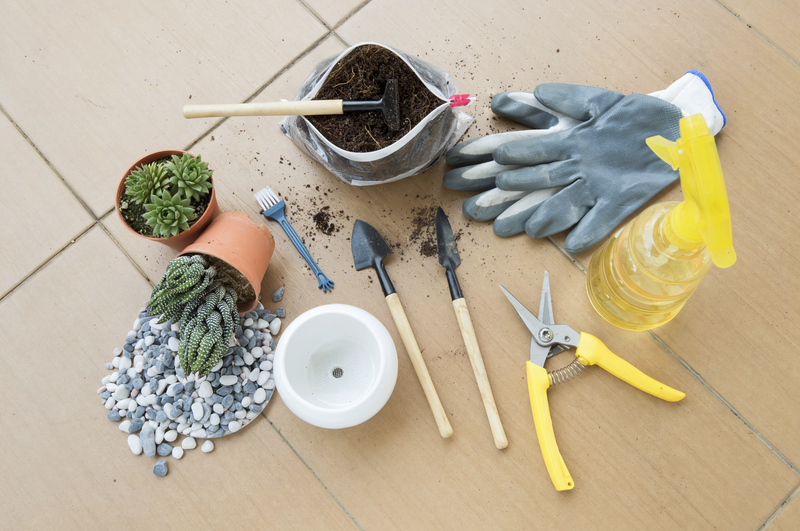
- Essential tools: Hand trowel, bypass secateurs, long-spout watering can, soil moisture meter (optional but handy), and a cordless drill for adding drainage holes if needed.
- Irrigation kits: Look for UK garden-centre micro-drip kits with pressure reducers and inline filters. Timers with rain delay save water.
- Fertilisers: Slow-release balanced pellets for spring; high-potash liquid feed in midsummer to support flowering climbers.
- Winter protection: Horticultural fleece, breathable pot wraps, and pot feet to prevent standing water during freezes.
- Trusted guidance: Royal Horticultural Society (RHS) care profiles, manufacturer load data for planters, and local council advice for balcony safety and high hedges.
- Pest control: Nematodes for vine weevil larvae (soil drench), horticultural soap for aphids and scale; try the least-toxic route first.
Pro tip: keep a simple log on your phone -- what you planted, when you fed, how much you watered. Patterns jump out. You will make smarter tweaks, season by season.
Law, Compliance or Industry Standards (UK-focused if applicable)
Containers can reduce formalities, but a few UK considerations matter:
- High hedges: Under Part 8 of the Anti-social Behaviour Act 2003, councils can act on complaints about evergreen hedges ~2 m or more that adversely affect neighbours. While potted plants are not a hedgerow in the ground, a continuous evergreen screen can still trigger disputes. Keep dialogue open and trim responsibly.
- Fences and structures: In England, fences over 2 m generally need planning permission (varies by council). Movable planters usually avoid this, but if you attach trellis to a boundary wall, check local rules.
- Balcony safety and loads: Every building has its own limits. Get written confirmation from building management or a structural engineer when adding heavy planters or saturated soil volumes. Water weight adds up fast.
- Rights to light: Long-established windows may have legal rights to reasonable light. Be considerate with very tall, dense screening in tight urban settings.
- Invasive species: Avoid planting invasive species that could escape. Choose clumping bamboo over running types where possible and prevent root escapes via drainage holes.
- Fire safety: Keep plants and planters clear of escape routes. Avoid combustible screens near BBQs or heaters. Many developments specify safe distances.
It sounds a lot, but most of this is common sense and neighbourly courtesy. A friendly chat goes a long way.
Checklist
- Measure target height, lengths, and access routes.
- Assess sun, shade, and wind exposure honestly.
- Confirm balcony or terrace load capacity if in doubt.
- Select planters: 40-60 cm deep, with excellent drainage and, ideally, wheels.
- Choose a peat-free, well-drained mix with slow-release fertiliser.
- Install drip irrigation and a timer if possible.
- Plant a backbone of evergreen density, add vertical accents and scented climbers.
- Mulch neatly; add pot feet or risers.
- Maintain monthly: trim, feed, check pests, refresh ties.
- Review after the first season: adjust plant spacing and irrigation as needed.
Ever tried clearing a room and found yourself keeping everything? Same with plants. Edit bravely. Your future self will smile.
Conclusion with CTA
If you take one thing from this guide, let it be this: choose the right plants for your site, give them generous containers, and keep care simple but consistent. Do that, and your living screen will reward you with privacy, calm, and a quietly luxurious feel that woven screens and plastic panels just cannot match. Shield Your Outdoor Oasis with Expert Picks for Tall-Potted Privacy Plants and you will transform your space in weeks, not years.
One last, very human note: on a summer evening, when the star jasmine hums and the bamboo whispers a bit in the breeze, you will wonder why you waited.
Get a free quote today and see how much you can save.
Take a breath. You have got this.
FAQ
What are the best tall-potted privacy plants for UK balconies?
Clumping bamboos like Fargesia robusta, evergreen shrubs such as Portuguese laurel and griselinia, star jasmine on trellis, and hardy grasses like miscanthus are consistent winners. Mix evergreens for year-round cover with a few scented or seasonal accents.
How big should the planters be for privacy plants?
As a rule, aim for at least 40-60 cm deep and wide for individual plants. For screening lines, 80-120 cm long troughs, 40-50 cm deep, offer stability and root volume. Bigger containers mean better resilience to wind, heat, and drought.
Will bamboo take over my containers?
Clumping species (Fargesia) are safe and tidy in pots. Running bamboos (Phyllostachys) need vigilant root checks and occasional division to prevent escape through drainage holes. If you want low-fuss, choose clumping types.
Do I need planning permission for tall planters?
Movable containers usually do not require planning permission. However, screens or trellis attached to boundaries and structures over 2 m may. Also consider the High Hedges rules if your evergreen screen becomes very tall. When in doubt, check with your council.
How do I water tall-potted plants on a sunny, windy terrace?
Use a micro-drip system with a battery timer. Deeply water 2-3 times weekly in summer, more during heatwaves. Mulch, add water-retaining granules sparingly, and choose larger planters to buffer moisture loss.
What about winter care?
Reduce watering, raise pots on feet, and wrap vulnerable containers with breathable insulation in severe cold. Most recommended plants here are UK-hardy, but wet-cold roots are the main risk -- focus on drainage.
Can I get privacy in shade?
Yes. Griselinia, Portuguese laurel, and ivy handle shade well. Star jasmine tolerates bright shade. In deep shade, prioritise foliage density over flowering; feed modestly and avoid sun-loving species.
What pests should I watch for in containers?
Vine weevil (notches in leaves, larvae in soil), scale, aphids, and red spider mite in hot, dry spells. Nematodes control vine weevil larvae; horticultural soap and improved airflow help with sap-suckers.
How tall can container plants realistically get?
Most screening shrubs and bamboos will safely reach 1.8-2.5 m in large planters. You can maintain that height with pruning. Taller is possible but requires heavy, stable containers and regular shaping.
Are tall grasses good for privacy if they die back in winter?
They are great for seasonal movement and summer screening. Pair them with evergreens so you still have privacy when grasses are cut back in late winter. Miscanthus and Arundo donax give brilliant height and texture.
Is star jasmine hardy enough for the UK?
Yes, in most of England and milder parts of Wales and Ireland. Provide shelter from cold winds and avoid waterlogged roots. In colder zones, consider Clematis armandii or evergreen ivy as alternatives.
How do I keep tall planters from tipping in wind?
Use wide, heavy planters; place the centre of gravity low with heavier media at the base; group planters; and add discreet tie-backs to balustrades where allowed. Choose wind-tolerant plants and prune to reduce sail effect.
What if I only have a tiny balcony?
Use slimline troughs with an espalier (elaeagnus or pyracantha if thorny is acceptable) or star jasmine on a flat trellis. One or two repeated modules often look better than a clutter of small pots.
Are any privacy plants unsafe for pets or children?
Yes. Oleander is highly toxic, as are yew and certain euphorbias. If safety is a concern, stick to bay laurel, griselinia, pittosporum, and star jasmine, and always check plant labels for toxicity warnings.
How often should I feed container privacy plants?
Apply a slow-release fertiliser each spring and supplement with a balanced liquid feed every 2-3 weeks during the main growing season, especially for bamboo and photinia. Avoid overfeeding in late summer to prevent soft growth before winter.
Can I mix edibles with privacy plants?
Absolutely. Bay laurel, figs, and rosemary pair beautifully with evergreen screens. Just ensure each plant's soil and water needs align and keep edible foliage away from traffic pollution where possible.
How do I keep neighbours happy while gaining privacy?
Talk early, trim regularly, and avoid blocking light with overly dense, over-2 m screens. A friendly word usually beats a formal complaint. Choose plants you can maintain neatly.
Shield your outdoor oasis with expert picks for tall-potted privacy plants, choose well, and enjoy years of green calm -- even three floors up, above a busy street. It is your little slice of quiet. Keep it lush.